
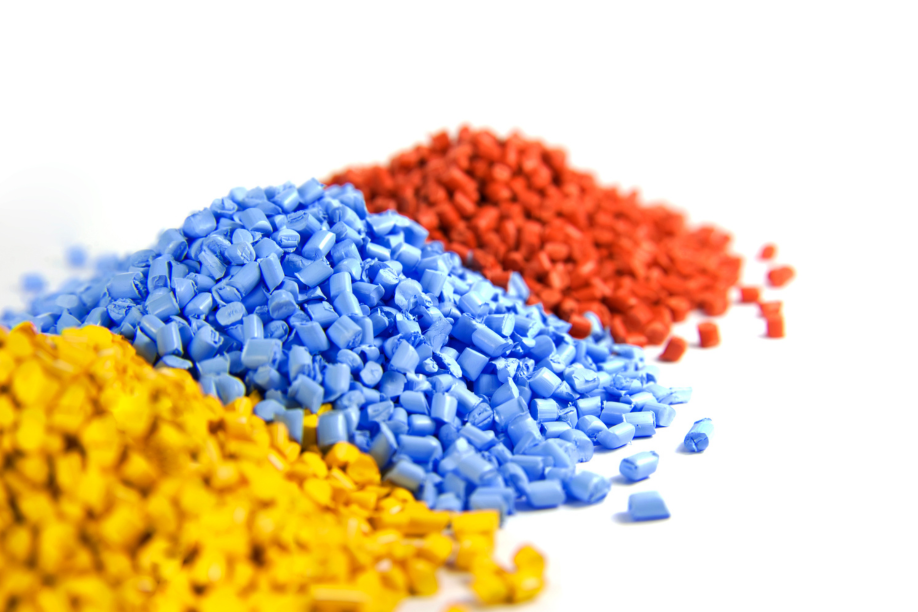
Why Do Many Factories Prefer Using PET Packaging?
The packaging industry has witnessed significant development in recent decades due to technological advancements and the growing demand for safer and more efficient products in terms of storage and transportation. Among the materials that have gained widespread popularity in packaging is PET (Polyethylene Terephthalate), which has become one of the most commonly used materials in manufacturing plastic containers across various industries, such as food and beverages, cosmetics, and pharmaceutical products.
The preference of many factories for PET packaging is due to a set of distinctive properties that make it both a practical and economical choice. This material combines light weight, durability, and high transparency, in addition to its ability to protect products from external factors. It is also recyclable, making it a suitable option in light of the growing global focus on environmental sustainability.
PET containers are not limited to a specific type of product; their applications extend across many fields. They are widely used for packaging mineral water, soft drinks, juices, and various food products. These advantages have made PET a preferred choice for companies seeking to improve packaging quality while reducing costs.
In this article, we will explore the main reasons why many factories prefer PET packaging by discussing its key advantages in terms of protection, cost, sustainability, and ease of use.
Lightweight and Easy Transportation
One of the most important advantages of PET packaging compared to other materials such as glass or metal is its light weight. These containers are relatively lightweight, making them easier to transport and store while reducing shipping costs.
When packaging is lightweight, more units can be transported in a single shipment without significantly increasing the total weight. This helps companies reduce transportation costs and fuel consumption while improving supply chain efficiency.
Additionally, lightweight packaging is easier to handle within factories and warehouses. Workers can manage PET containers more easily compared to heavier materials like glass, reducing effort and increasing the speed of filling and distribution processes.
PET containers are also convenient for everyday consumer use, as they are easy to carry and handle, enhancing user experience and increasing their popularity in the market.
Durability and Break Resistance
PET containers are highly durable compared to some other types of packaging, especially glass. They can withstand shocks and pressure without breaking easily.
This feature is particularly important during transportation and distribution, where products may be exposed to vibrations or accidental drops. Glass packaging may break under such conditions, leading to product loss, whereas PET containers are flexible and capable of absorbing impact, reducing the risk of damage.
Their resistance to breakage also makes PET containers safer for everyday use, especially in public spaces or during travel. Even if dropped, they typically do not shatter into sharp pieces like glass.
Thanks to this property, many companies rely on PET packaging for products that require a high level of safety during transport and storage.
Transparency and Product Visibility
Another key advantage of PET packaging is its high transparency. These containers allow consumers to clearly see the product inside, which enhances trust and simplifies the purchasing decision.
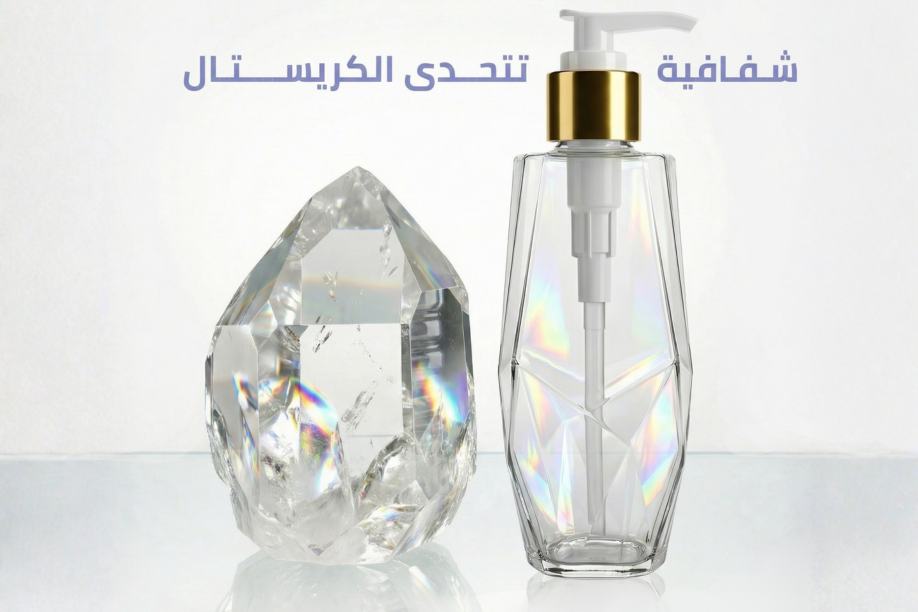
When consumers can view the contents, they feel more confident about the product’s quality and purity. This is especially important for food and beverage products, where appearance plays a crucial role.
Transparency also helps highlight the product’s color and texture in an appealing way, increasing its attractiveness on store shelves. For this reason, many companies use PET packaging to showcase their products more effectively.
Additionally, PET containers can be produced in various colors or custom designs without compromising quality, giving companies flexibility to align packaging with their brand identity.
Recyclability and Environmental Sustainability
With increasing environmental awareness worldwide, companies are under pressure to adopt packaging materials that can be recycled and have a lower environmental impact. PET is one of the most widely recyclable plastics.
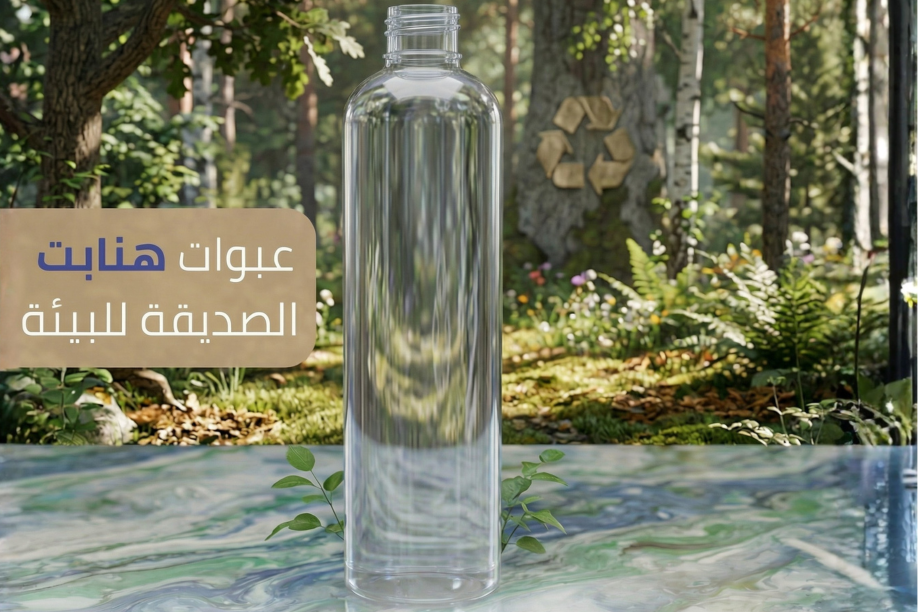
Used PET containers can be collected and reprocessed into new products such as new containers or synthetic fibers used in clothing and carpets. This helps reduce plastic waste and conserve natural resources.
Recycling PET also consumes less energy compared to producing new plastic from raw materials, which reduces carbon emissions and contributes to environmental protection.
For this reason, many companies use PET packaging as part of their sustainability strategies, and some also encourage consumers to recycle through awareness programs.
Conclusion
PET packaging is one of the most widely used types of packaging in modern industries due to its many advantages, making it a practical and cost-effective choice for many factories. It is lightweight, which facilitates transportation and distribution, and highly durable, helping protect products during shipping and storage.
Its high transparency enhances product visibility and attracts consumers, while its recyclability makes it an environmentally friendly option in line with global sustainability trends.
Thanks to these combined features, PET packaging has become an essential component across many industries, and its use is expected to continue growing with the development of new technologies that further improve its efficiency and reduce its environmental impact.
Frequently Asked Questions (FAQ)
What is PET material?
It is a type of plastic known as polyethylene terephthalate, widely used in packaging beverages and food products.
Why are PET containers lightweight?
Because their chemical structure provides strength even with thin walls, making them lighter than materials like glass.
Can PET containers be recycled?
Yes, PET is one of the most recyclable plastics and can be reused to produce various products.
Are PET containers safe for food use?
Yes, they are approved for packaging many food and beverage products when manufactured according to health standards.
 English
  Arabic