
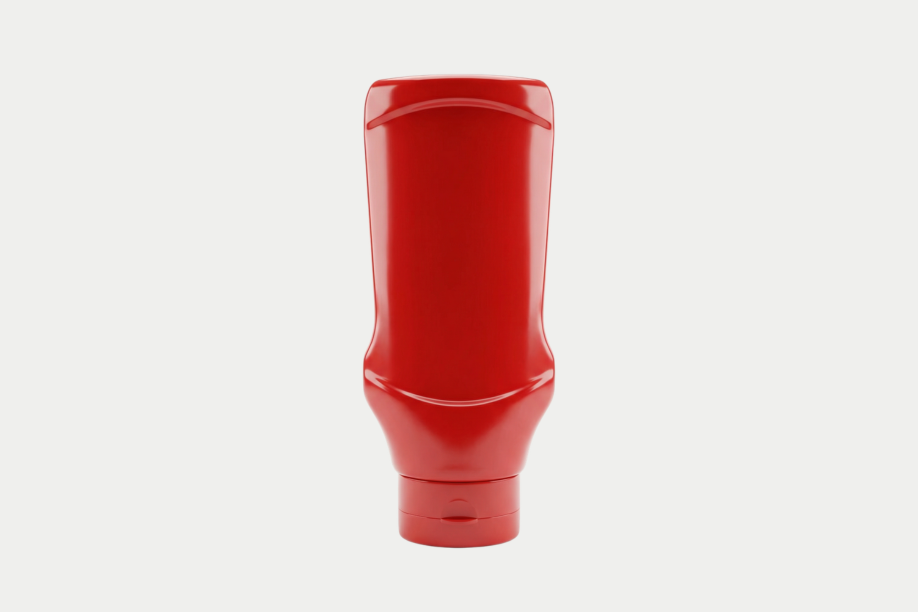
Why Is Compatibility Between the Cap and the Container Important in Packaging?
Packaging is one of the essential elements in protecting products and maintaining their quality until they reach the final consumer. The role of packaging is not limited to the design of the container itself, but also includes all related components such as the cap or closure system. Among the important aspects that must be considered in packaging design is the compatibility between the cap and the container, as this compatibility is a key factor in ensuring product safety and ease of use.
The primary function of the cap is to securely close the container to prevent leakage of the contents or exposure to external factors such as air, moisture, and dust. If the cap is not properly compatible with the container design, this may lead to issues such as leakage or difficulty in opening and closing, which can negatively affect product quality and user experience.
Good compatibility between the cap and the container is not limited to functional aspects only, but also extends to marketing and aesthetic aspects. A well-matched design reflects the professionalism of the brand and gives the product a more attractive appearance on store shelves. Therefore, companies pay great attention to developing effective closure systems that suit the nature of the product and usage requirements.
In this article, we will discuss the importance of compatibility between the cap and the container in packaging, and its role in protecting the product, improving consumer experience, and enhancing the efficiency of transportation and storage processes.
Product Protection and Leakage Prevention
Ensuring that the product remains securely contained is one of the most important functions of a closure system. When the cap is compatible with the container design, it ensures a tight seal and prevents the contents from leaking. This feature is especially important for liquid products such as beverages, oils, and cosmetics.

If there is a lack of compatibility between the cap and the container, leakage may occur during transportation or storage, which can lead to product damage or harm to other items in the shipment. Leakage may also result in financial losses for the company and negatively impact brand reputation.
In addition, a tight seal helps protect the product from external factors such as air, moisture, and contaminants. This is particularly important for maintaining the quality of food or chemical products that may be affected quickly when exposed to these elements.
Maintaining Product Quality and Shelf Life
Compatibility between the cap and the container plays an important role in maintaining product quality for a longer period. When the closure system is properly designed, it prevents air or moisture from entering the container, helping preserve the product’s original properties.
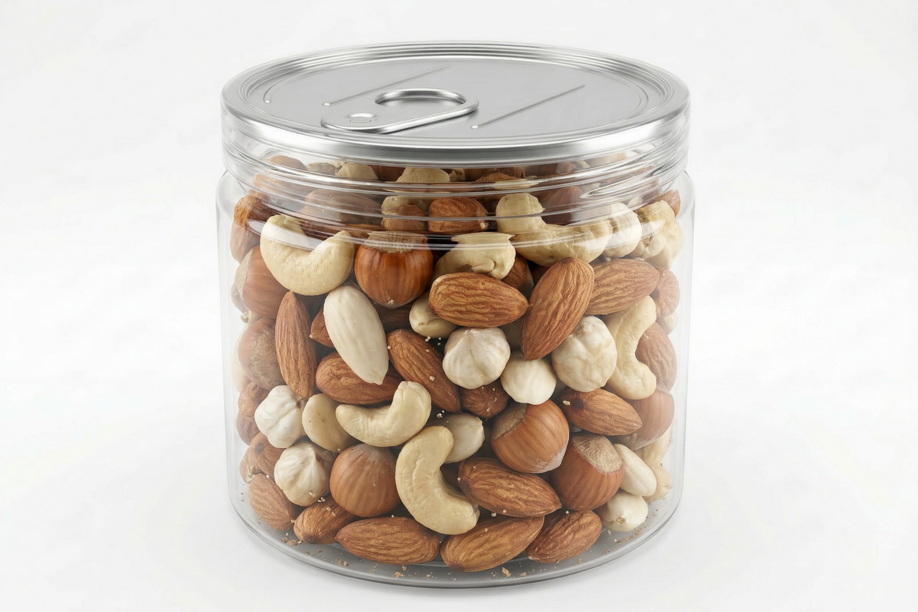
In many food products, exposure to air can alter taste, smell, or texture. Moisture exposure may also damage certain products or reduce their shelf life. Therefore, a cap that is properly matched with the container helps minimize these risks and maintains product quality until use.
Some products also require specialized closure systems, such as airtight caps or caps with internal seals, to ensure protection from contamination or interaction with the external environment.
Improving User Experience and Ease of Use
Ease of use is a key factor influencing consumer satisfaction. When the cap is compatible with the container design, opening and closing it becomes easier and more convenient for the user.
A properly fitted cap allows the container to be opened without excessive effort and can be securely closed again after use. This is particularly important for products that are used multiple times, such as beverages, cleaning products, or personal care items.
If the cap is not compatible with the container, users may face difficulty opening it or may not be able to close it tightly after use. This can lead to a negative user experience and reduce overall satisfaction with the product.
Enhancing Transportation and Storage Efficiency
Good compatibility between the cap and the container contributes to improving the efficiency of transportation and storage processes. A securely sealed container is better able to withstand pressure and vibrations that may occur during shipping.
When containers are tightly sealed, they can be stacked with greater confidence without the risk of leakage or damage. This helps companies make better use of space in warehouses and transport vehicles.
Compatible closure systems also reduce the likelihood of accidental opening during transportation, preserving product integrity and minimizing losses caused by damage or leakage.
Conclusion
Compatibility between the cap and the container is a fundamental element in designing effective packaging systems. It contributes to product protection, prevents leakage, and maintains product quality throughout storage and transportation. It also plays an important role in improving user experience by making opening and closing easier.
In addition, a secure closure enhances the efficiency of transportation and storage processes and reduces losses resulting from product damage. For this reason, companies place great importance on developing closure systems that are compatible with container designs to ensure high performance and reliability.
Therefore, compatibility between the cap and the container is not just a minor detail in packaging—it is a key factor that directly affects product quality, consumer satisfaction, and brand success in the market.
Frequently Asked Questions
What is meant by compatibility between the cap and the container?
It refers to how well the cap design matches the container opening to ensure a tight seal without leakage or difficulty in use.
Why is a tight seal important in packaging?
Because it prevents product leakage and protects it from external factors such as air, moisture, and contaminants.
Does the cap affect user experience?
Yes, a compatible cap makes opening and closing easier and improves overall usability.
What happens if the cap is not compatible with the container?
It may lead to leakage, difficulty in use, or product damage during transportation and storage.
 English
  Arabic